


News
Welcome to our new Trustees!
July 2026
We are delighted to welcome five new members to the Riot Ensemble Board of Trustees: Helen Palmer, David Taylor, Roisin Hughes, Louise Carles and Matthew Butt.
Our Trustees play an important role in supporting the development of Riot Ensemble, helping us navigate the future of the organisation while ensuring we remain ambitious, sustainable and true to our artistic mission. They bring valuable expertise, guidance and fresh perspectives, helping us continue to create opportunities for composers, performers and audiences to engage with adventurous contemporary music.
As Riot Ensemble grows, we are very grateful to have a Board of Trustees that shares our belief in the power of bold ideas, creative collaboration and new ways of connecting people with music. Our new Trustees bring experience across arts leadership, cultural development, technology, law, fundraising and music-making, strengthening the range of knowledge and perspectives within our organisation.
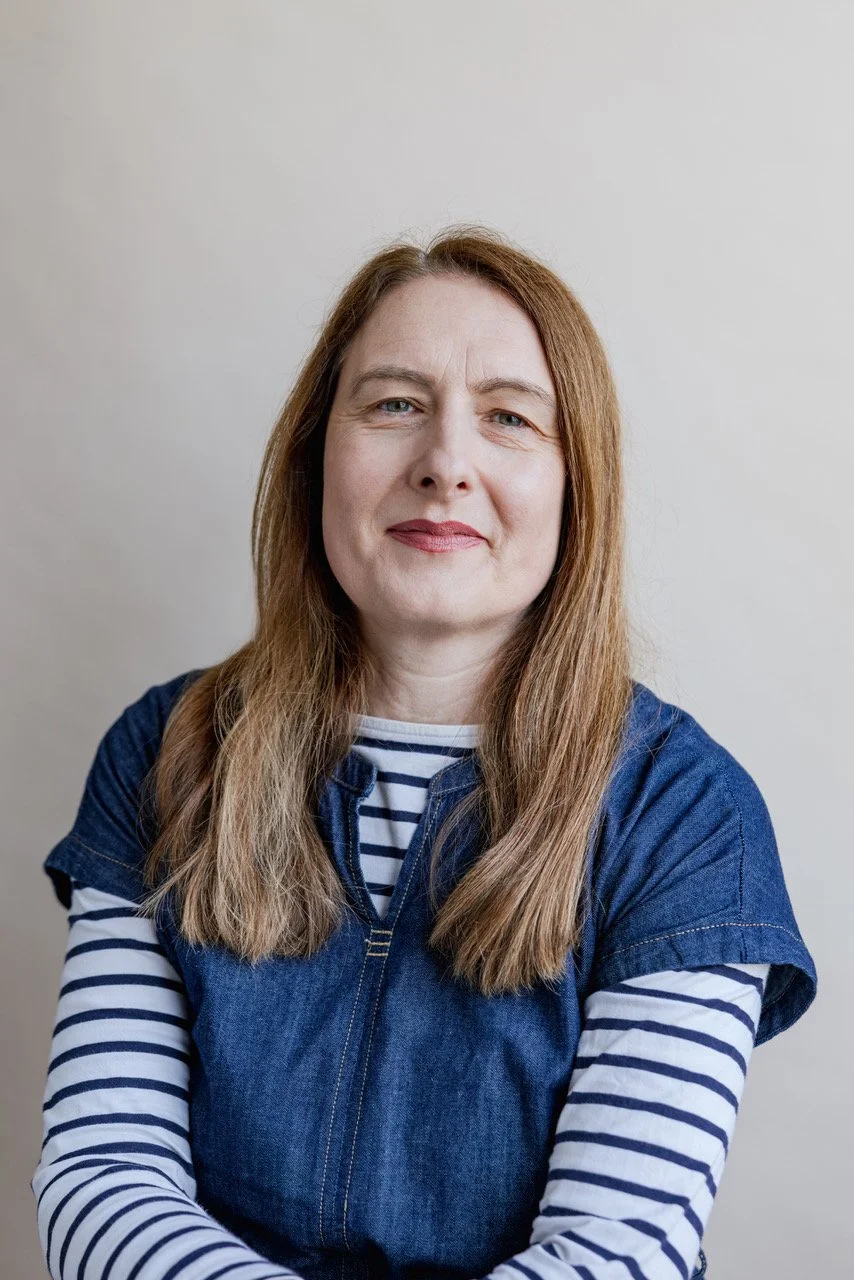
Helen Palmer
Helen’s background was originally in theatre marketing and PR, before becoming a marketing consultant in 1999 and setting up Palmer Squared consultancy in 2015. Helen works with individual artists, collectives and small to large-scale arts and heritage organisations to help them build and deepen their relationships with audiences for the long-term.
She was part of the founding management teams of Manchester International Festival, Cultureshock (Commonwealth Games North West Cultural Programme, Manchester 2002), British Ceramics Biennial, Asia Triennial Manchester and Lowry. From 2007-9 Helen led Marketing Manchester’s Marketing Coordination Unit as the Director of Strategic Marketing.
Helen was a Director of CTConsults for 10 years up to 2021, an agency providing strategic guidance in culture, tourism, heritage, and brand development to places and destinations across the UK and internationally. Helen is currently a part-time Teaching Associate at the University of Sheffield.
She is the Chair of hÅb live art agency, a Trustee of Olympias Music Foundation, and Co-Chair of What Next? Greater Manchester. She also writes a Substack newsletter, PalmerSquared on Festivals.
Helen has a B.A.(Hons) Tourism Studies, Chartered Institute of Marketing Diploma and is a Chartered Marketer, Masters in Humanities with Distinction (Film Studies) and a PhD in Film Studies.
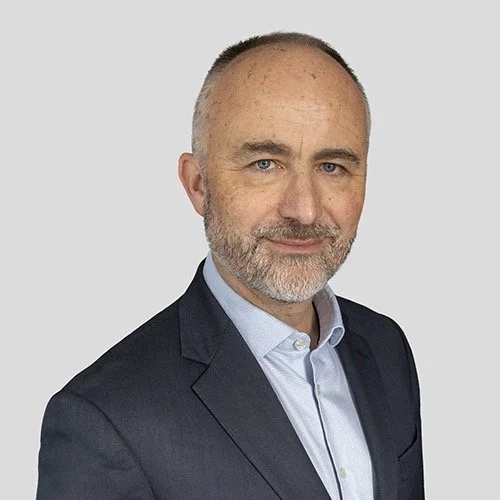
David Taylor
David Taylor is a senior leader with a legal background. He spent two decades helping to build and shape the Pension Protection Fund (PPF), the lifeboat for failed company pension schemes, including as a Board member and General Counsel. He is also a trustee of Roundabout Dramatherapy, a charity dedicated to transforming the lives of vulnerable people using creative methods to enhance mental health. David is a keen amateur musician, playing the clarinet in orchestras and other groups, and singing in various choirs and vocal ensembles.
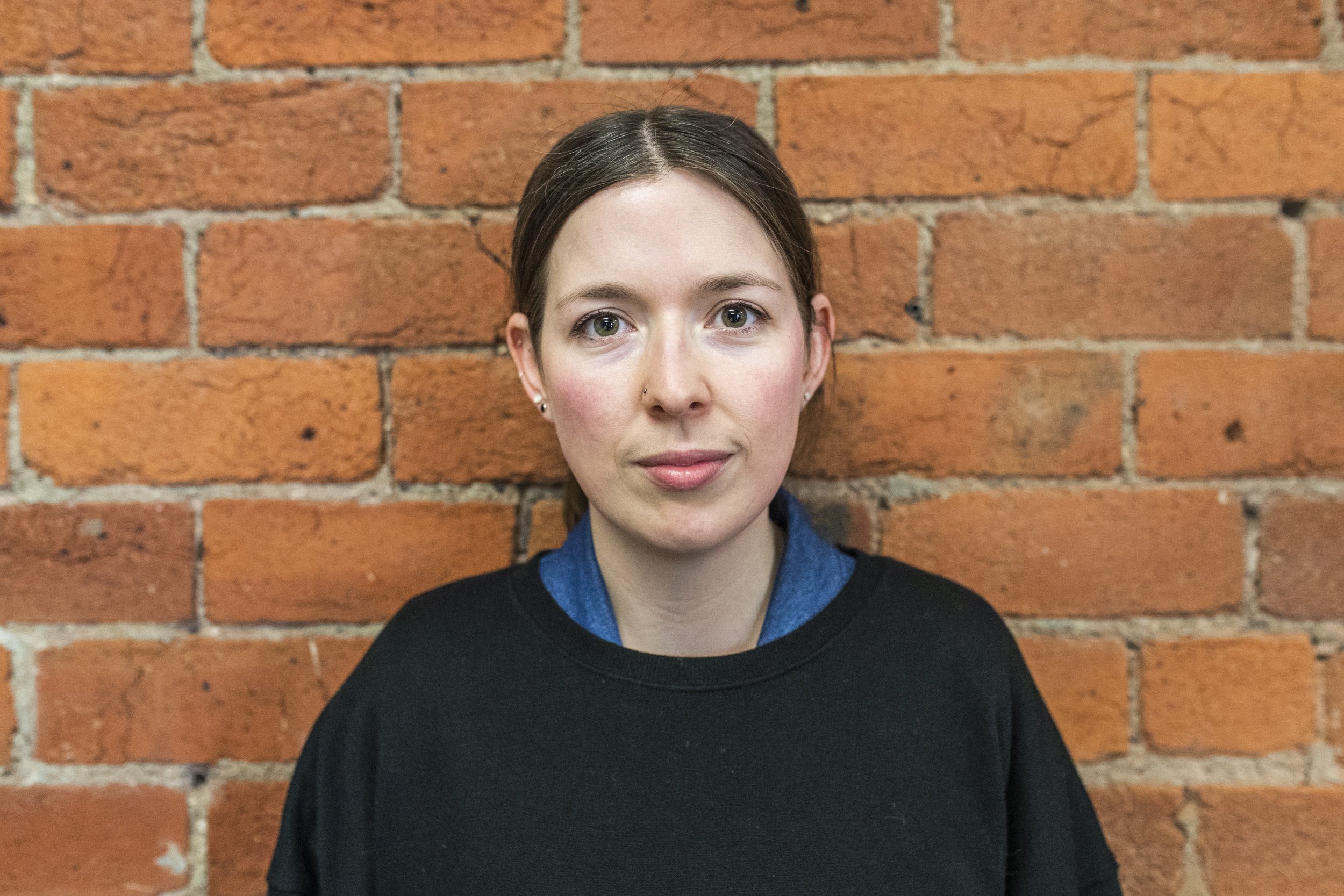
Roisin Hughes
Roisin Hughes is the Executive Producer for Huddersfield Contemporary Music Festival, UK’s largest international festival dedicated to new and experimental music. With nearly two decades’ experience in fundraising, event management, marketing & communications and strategic development, she has played a pivotal role in delivering the hcmf// commitment to widening access to new music and identifying and working to remove barriers to participation in its creation and performance. Roisin studied Music & Art History at The Open University and is also a Trustee at CoMA (Contemporary Music for All), a national music organisation dedicated to encouraging amateur musicians to participate in contemporary music-making.
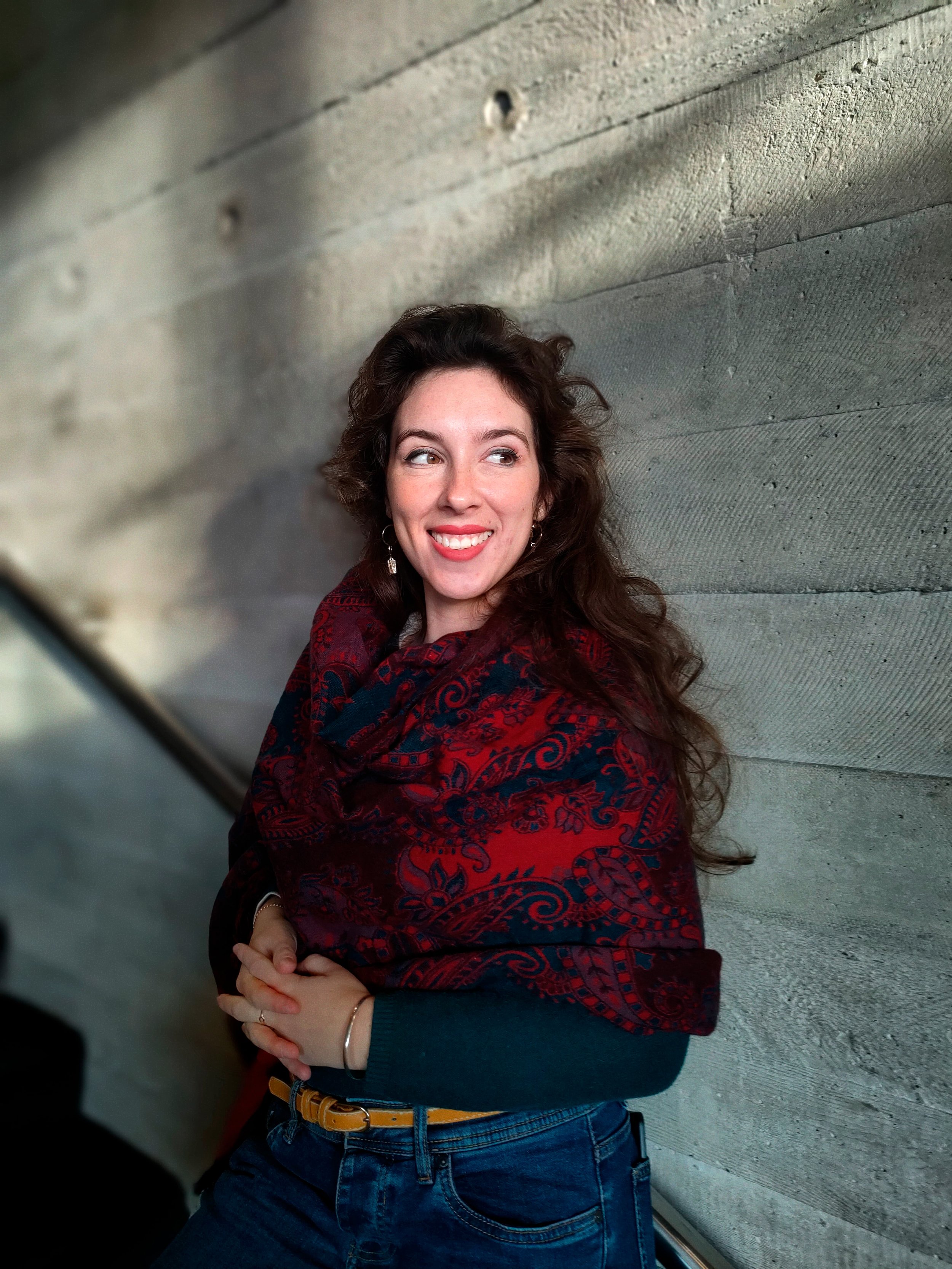
Louise Carles
Louise Carles is Music & Performing Arts Manager at the French Institute in London, where she works on music programming and international performing arts projects. She develops and delivers projects with artists and partners across France, the UK and Ireland, following them from the first idea to the final production. She also manages the Diaphonique fund, a trilateral France–UK–Ireland programme supporting new contemporary music. Alongside this, she accompanies a number of international artistic projects, advising artists and organisations and helping projects grow from early ideas into sustainable collaborations. Originally trained as a classical pianist, she began her career in festival and orchestral environments, where years spent working on touring, production and international projects gave her a lasting understanding of the artistic, logistical and human dimensions of making music happen. Alongside her institutional work, she advises emerging artists across classical, contemporary, jazz, pop and alternative music, and hosts a podcast celebrating the producers, managers and cultural workers who make artistic projects possible behind the scenes.
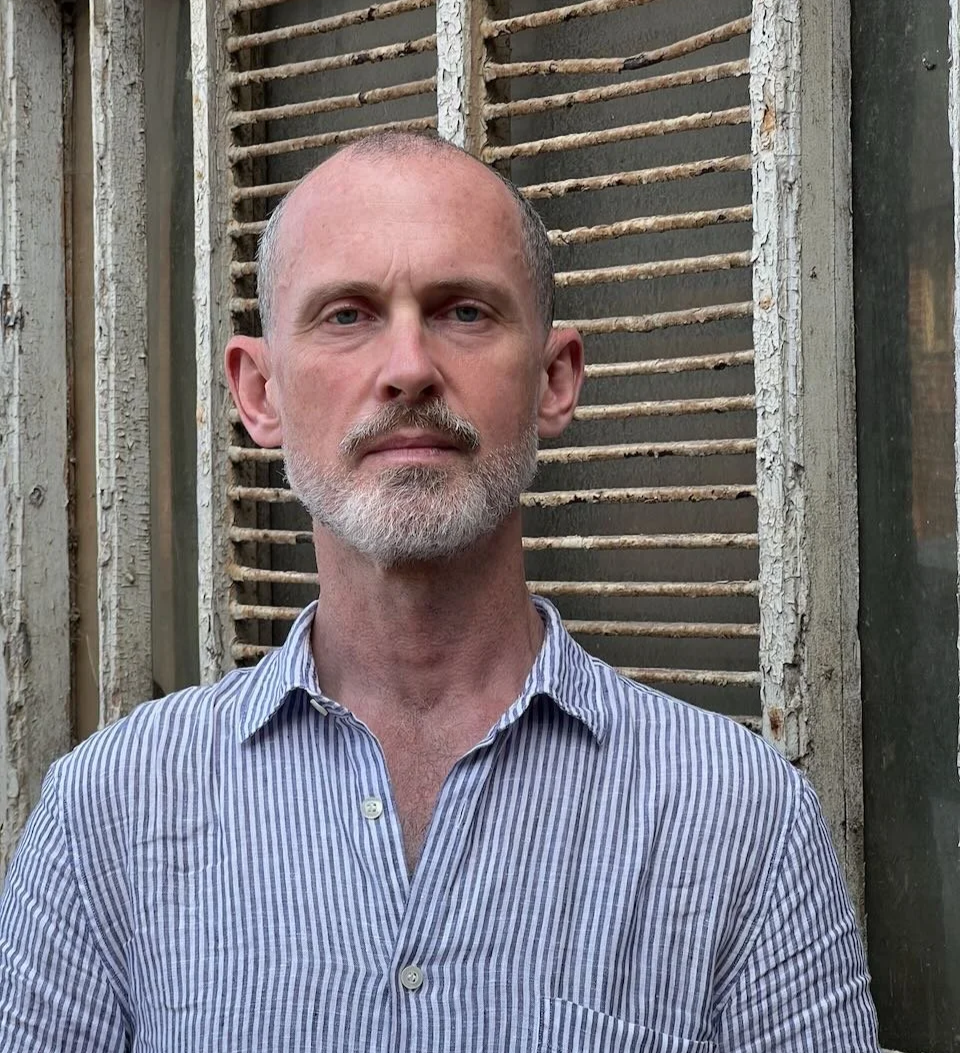
Matthew Butt
Matthew Butt is a software engineering leader working at Zopa Bank, who has experience creating highly collaborative cultures and resilient software systems to solve complex organisational challenges. An active educator, he ran 7digital’s Technical Academy, facilitated several editions of the SoCraTes UK conference, and has run workshops exploring the social, creative and technical aspects of software engineering. He has a lifelong interest in contemporary music, studied composition with Robert Saxton and Sinan Savaşkan, and has had several pieces commissioned and performed. He plays the piano and is also a trustee of the Walbrook Music Trust.
Gośka Isphording becomes co-Artistic Director
March 2026
Riot Ensemble is delighted to announce that harpsichordist and Artistic Board member Gośka Isphording has joined Aaron Holloway-Nahum and Marie Schreer as Co-Artistic Director of the ensemble.
Isphording has been a member of Riot Ensemble since 2014 and is internationally recognised for her work at the forefront of contemporary and experimental harpsichord performance. Based in Eindhoven, she has collaborated with composers across Europe and beyond to expand the instrument’s repertoire and sonic possibilities, with nearly 200 works written for her as soloist and chamber musician.
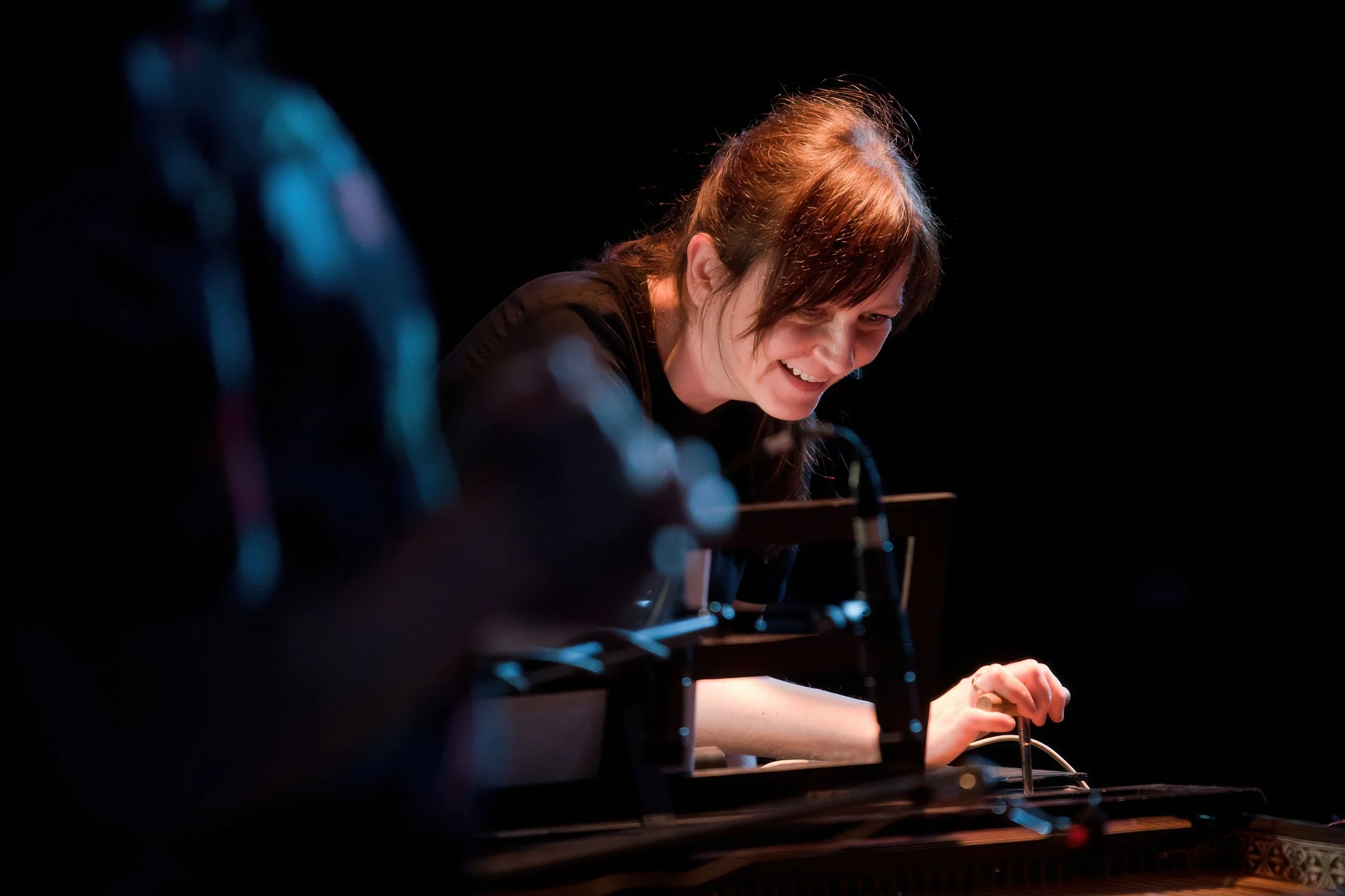
Her appointment continues Riot Ensemble’s evolving artistic leadership model introduced in 2024, in which members of the ensemble rotate into the artistic direction while remaining part of the wider Artistic Board. This structure ensures that the ensemble’s artistic vision remains rooted in its performers while allowing new perspectives to emerge over time. Pianist Adam Swayne, who previously served as Co-Artistic Director alongside Holloway-Nahum and Schreer, continues his longstanding role as a member of the ensemble and its Artistic Board.
As Co-Artistic Director, Isphording will work closely with Holloway-Nahum and Schreer to shape the ensemble’s artistic programme, with a particular focus on Riot Ensemble’s presence and collaborations across the European continent.
Speaking about her new role, Isphording said:
“I’m truly excited to step into this new role within the Riot Ensemble. Riot represents curiosity, boldness, and a fearless commitment to exploring new sonic territories, values that resonate deeply with me.
I hope to help foster projects that not only expand the repertoire but also deepen connections between artists, disciplines, and audiences, keeping contemporary music vibrant, relevant, and alive.”
Alongside her work with Riot Ensemble, Isphording is widely recognised as one of the most influential interpreters of contemporary music for harpsichord. She has premiered and championed works by composers including Hanna Kulenty, Roderik de Man, Andrzej Kwieciński, Grażyna Pstrokońska-Nawratil, and Evan Johnson, and has appeared at leading festivals such as Warsaw Autumn, Huddersfield Contemporary Music Festival, Gaida Festival, November Music, Holland Festival and Ruhrtriennale.
A dedicated advocate for new repertoire, she teaches modern harpsichord at the Amsterdam University of the Arts and regularly collaborates across disciplines, including ongoing projects with choreographer Jan Martens.
Her appointment marks the next stage in Riot Ensemble’s artist-led approach to leadership and programming, continuing the ensemble’s commitment to curiosity, collaboration and the creation of new music.
We are recruiting new trustees!
March 2026
Riot Ensemble is seeking passionate and visionary individuals to join our Board of Trustees and help guide the organisation through its next phase of artistic growth and impact. As a Trustee, you’ll play a central role in shaping strategic direction, supporting governance, and championing Riot Ensemble’s mission to present adventurous contemporary music, nurture emerging composers and performers, and expand audiences for new music in the UK and beyond.
The deadline for applications is 8th April.
Please find more information below.
Phantom Miniatures
Alexander Brix Tillegreen
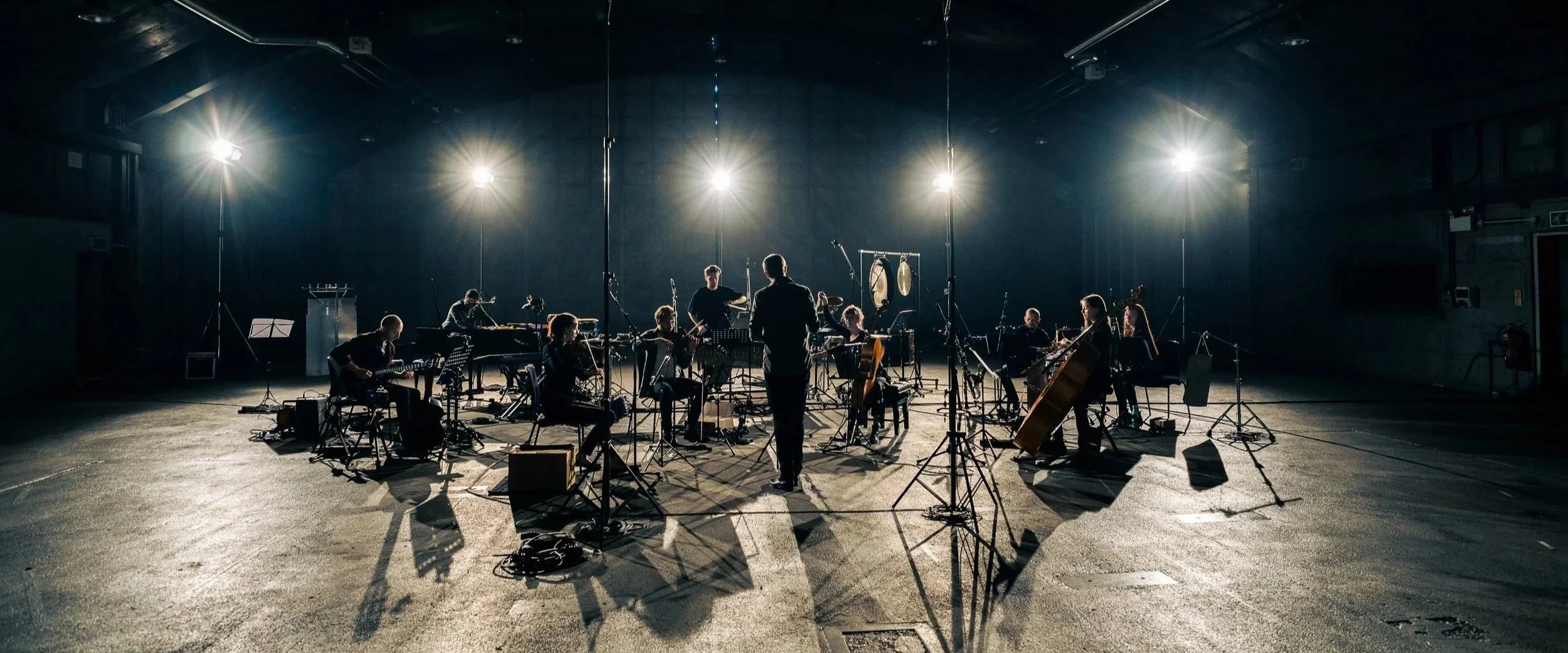
A new immersive audio commission by Alexander Tillegreen supported by The Space and Danish Composers Society, transforming psychoacoustic illusion into live performance and digital presentation.
Phantom Miniatures is a collaboration with composer Alexander Brix Tillegreen, that brings one of psychoacoustics’ most uncanny phenomena into both the concert hall and the digital sphere. Supported by The Space and Danish Composers Society, the project presents the phantom word illusion, in which listeners perceive imaginary words shaped by their own as a live, spatialised performance and a suite of short-form digital videos created for online audiences worldwide, which were released on the ensemble’s YouTube channel in March 2026.
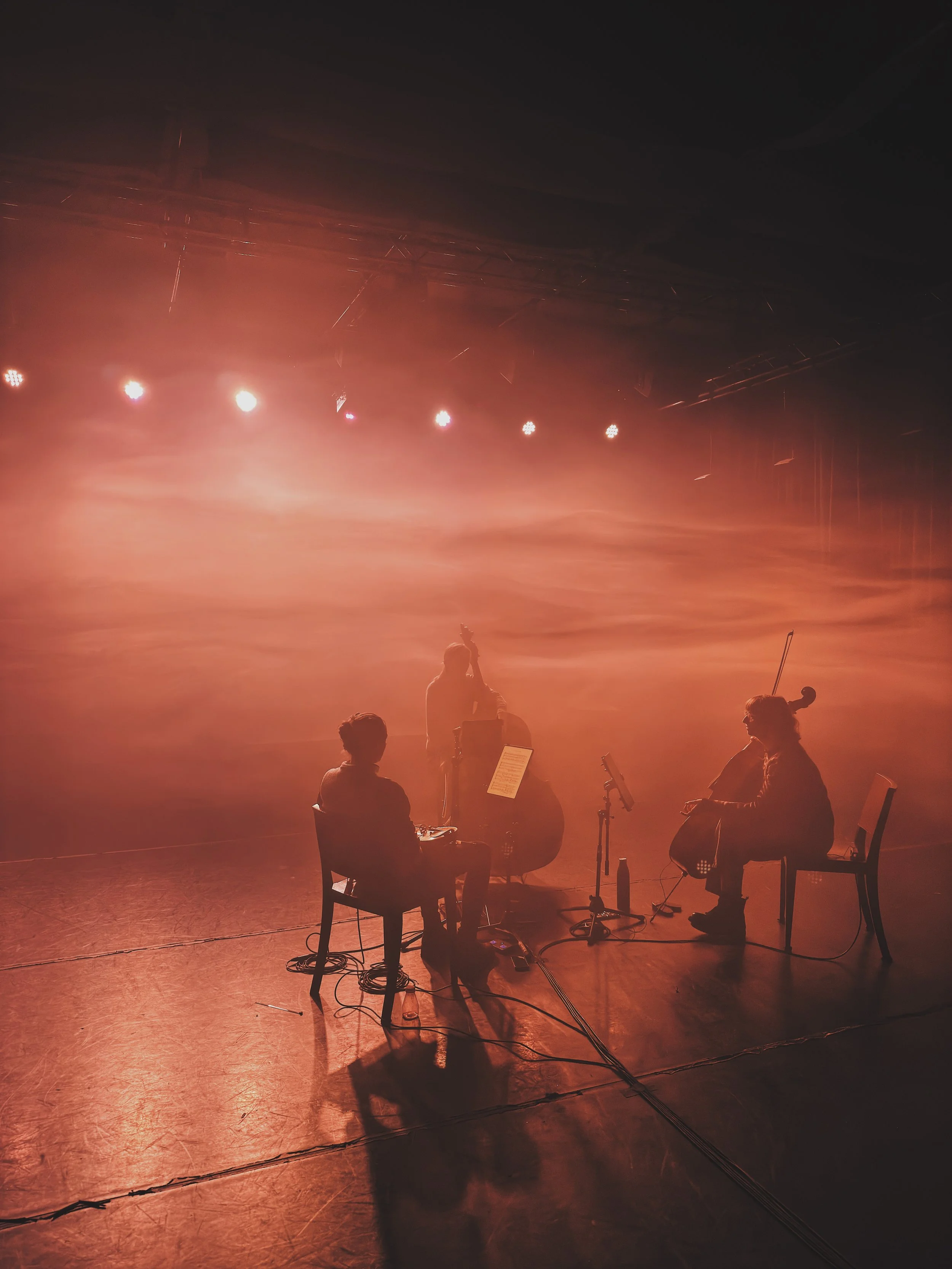
Tillegreen’s artistic research into perceptual illusions has appeared in galleries, festivals, and installation settings across Europe; this new iteration marks the first time the work has been created specifically for live musicians and immersive electronics. The filming, mixing and digital realisation of the project took place at Southby’s Soundscape Studio in London, home to the world’s highest-resolution d&b Soundscape system, together Aaron Holloway-Nahum and intone films. The performers were Marie Schreer (violin), Louise McMonagle (cello) and Marianne Schofield (double bass).
Loops of meaning of loops
A text by Tim Rutherford-Johnson
The phantom word illusion is an acoustic phenomenon discovered by the psychologist Diana Deutsch, Emeritus Professor in Psychology at the University of California, San Diego and an Adjunct Professor at the Center for Computer Research in Music and Acoustics at Stanford University. It refers to the perception of words or short phrases that can emerge from looped repetitions of other words, presented in stereo with a slight temporal offset between left and right channels. As Deutsch herself explains,
Often people initially hear a jumble of meaningless sounds, but after a while distinct words and phrases suddenly emerge. It often seems that the left and right loudspeakers are producing different words, which sometimes appear to be spoken by different voices.
… After a while, you will probably find that new words and phrases appear to be coming from one or both of the loudspeakers. … In addition, it’s not unusual to hear a third stream of words or phrases, apparently coming from some location between the loudspeakers. Nonsense words, and musical sounds such as percussive sounds or tones, sometimes appear to be mixed in with the meaningful words. People often report hearing words and phrases spoken in strange or ‘foreign’ accents – presumably they are interpreting the sounds from the loudspeakers as words and phrases that are meaningful to them, even if this causes the speech to appear distorted.
The Danish visual artist and composer Alexander Tillegreen was introduced to this phenomenon by a neuroscientist at the Max Planck Institute in Frankfurt, where he was exploring possible artist-scientist collaborations as part of an artistic residency. Almost immediately, he heard its artistic potential. ‘I only listened briefly’, he says, ‘It already felt dense, mind-triggering and very potent’, he says. ‘Instinctively, in that moment, I knew: this was something I wanted to work with.’ For several months following this, he conducted artistic research into the phenomenon, developing material from it and eventually composing the work Phantom Streams, based on this research and commissioned by the Institute.
What appealed to Tillegreen was the way the illusion created a moment in the listener’s mind, when the looped syllables reorganise themselves into a ‘solution’ – or, just as likely, an array of ‘solutions’ – that is, nevertheless, not really there. ‘In that sense’, says Tillegreen, ‘the listener becomes a kind of co-composer of the experience’. The material itself – the looped recording – may be extremely minimal, but the perceptual outcome can be extremely rich. Moreover, it is constantly shifting as the listener’s mind keeps searching for meaning, and new ‘solutions’ propose themselves.
On his 2023 album In Words, also commissioned by the Max Planck Institute during his residency and released on the raster label, Tillegreen develops the phantom word illusion as musical material, creating pulsing, phasing tracks that recall the drone music of Eliane Radigue or the early tape delay pieces of Pauline Oliveros. In this context, the changing interpretation of the illusion takes place mostly within the mind of the listener, although gentle synth chords and other subtle additions help steer those evolutions. By inserting the illusion into an installation context – as he does in his work for the group exhibition À bruit secret. Hearing in Art at the Museum Tinguely, or his solo exhibition Fluktuationen, which was presented at the 2023 Darmstadt Ferienkürse für Neue Musik – Tillegreen is able to add spatial, movement and lighting elements that further alter the listener’s perception. ‘In these situations, the experience of the illusion becomes closely tied to the listener’s body movement in the space’, he says. ‘Words appear and dissolve depending on the listener’s position, producing a constantly shifting auditory field.’ The exhibition in Darmstadt was distributed across several rooms of the Kunsthalle, taking listeners on a journey from fragile whispering to collective singing.
In repeated testing with the phantom word illusion, Tillegreen has come to find that not only do space, movement (even just the turning of the listener’s head), familiarity and musical context affect how the illusion resolves in a listener’s mind, but so too do perceptions of gender, timbre of the voice in question and even the linguistic and social background of the listener themselves. It is perhaps not surprising that German speakers might hear different words in a given illusion than, say, English speakers. Still, in testing the illusion at the Max Planck Institute, Tillegreen found that participants started to identify Frankfurt street names, fictional characters, pet names and even current events (eg ‘lockdown’, ‘Biden’ and terms related to the German federal elections) – none of which, needless to say, were in the original recordings. It seemed that the illusion served as a potent tabula rasa – or perhaps better, a kind of sonic agar jelly – onto which elements from the listener’s subconscious could be implanted and grown.
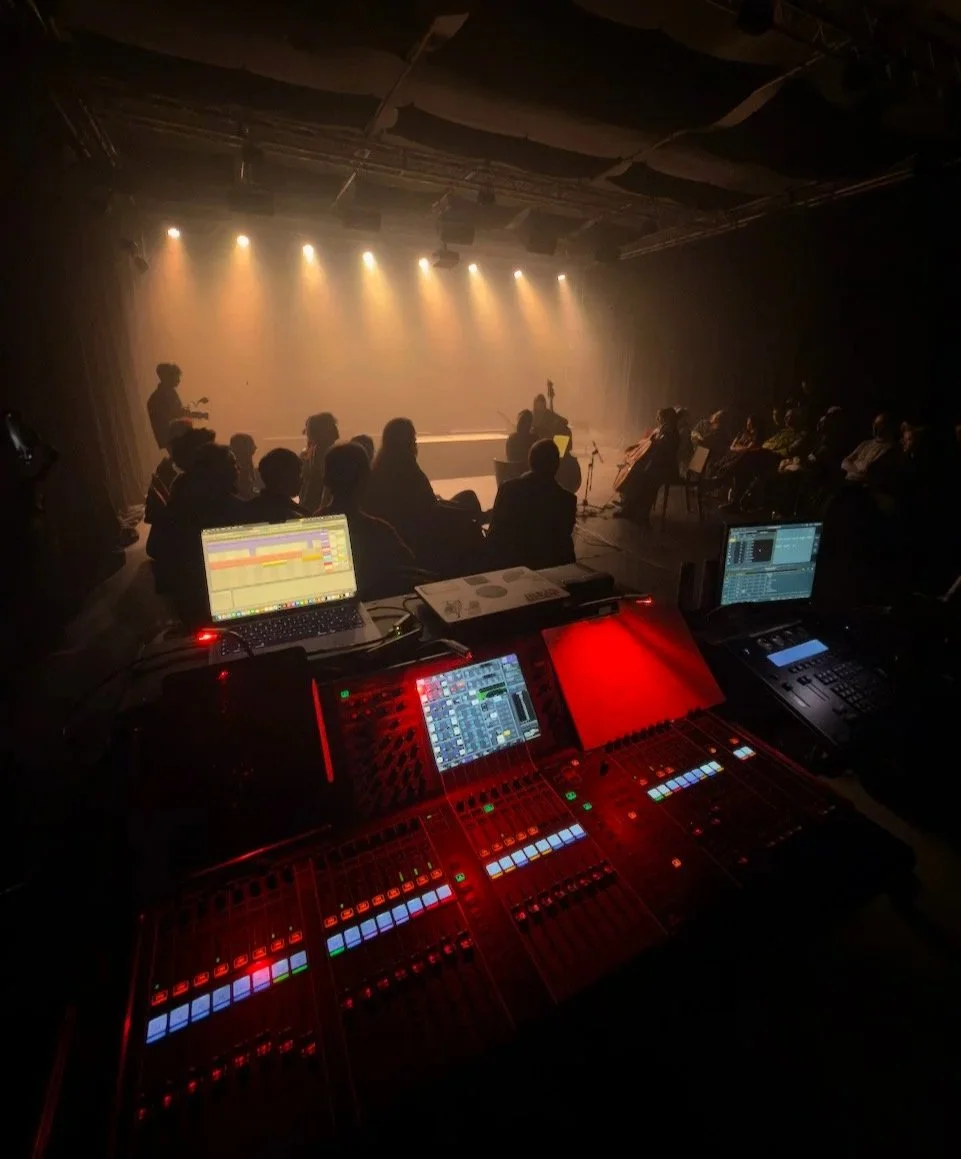
In his piece for Riot Ensemble, Phantom Miniatures, Tillegreen enlarges the musical context of the recorded vocal syllables by combining them with an acoustic string trio of violin, cello and bass. Loops were made from recordings of violinist Marie Schreer’s voice, working in both German and English. In practice, a great deal of experimentation and fine-tuning is required to find a viable phantom word illusion; being so subjective, the process is impossible to predict, and many word or syllable loops simply don’t produce anything of interest. For Phantom Miniatures, around fifty source words were tested, but of these only a small number could be used. Once these were chosen, the instrumental music was derived from elements of their loops – harmonies, overtones, rhythmic patterns and microtonal inflections. Sometimes that music acts as a kind of resonator of the recorded sounds, amplifying, boosting and elongating certain frequencies, while at others it acts in deliberate counterpoint, offsetting the recorded loops and possibly changing our perception of them.
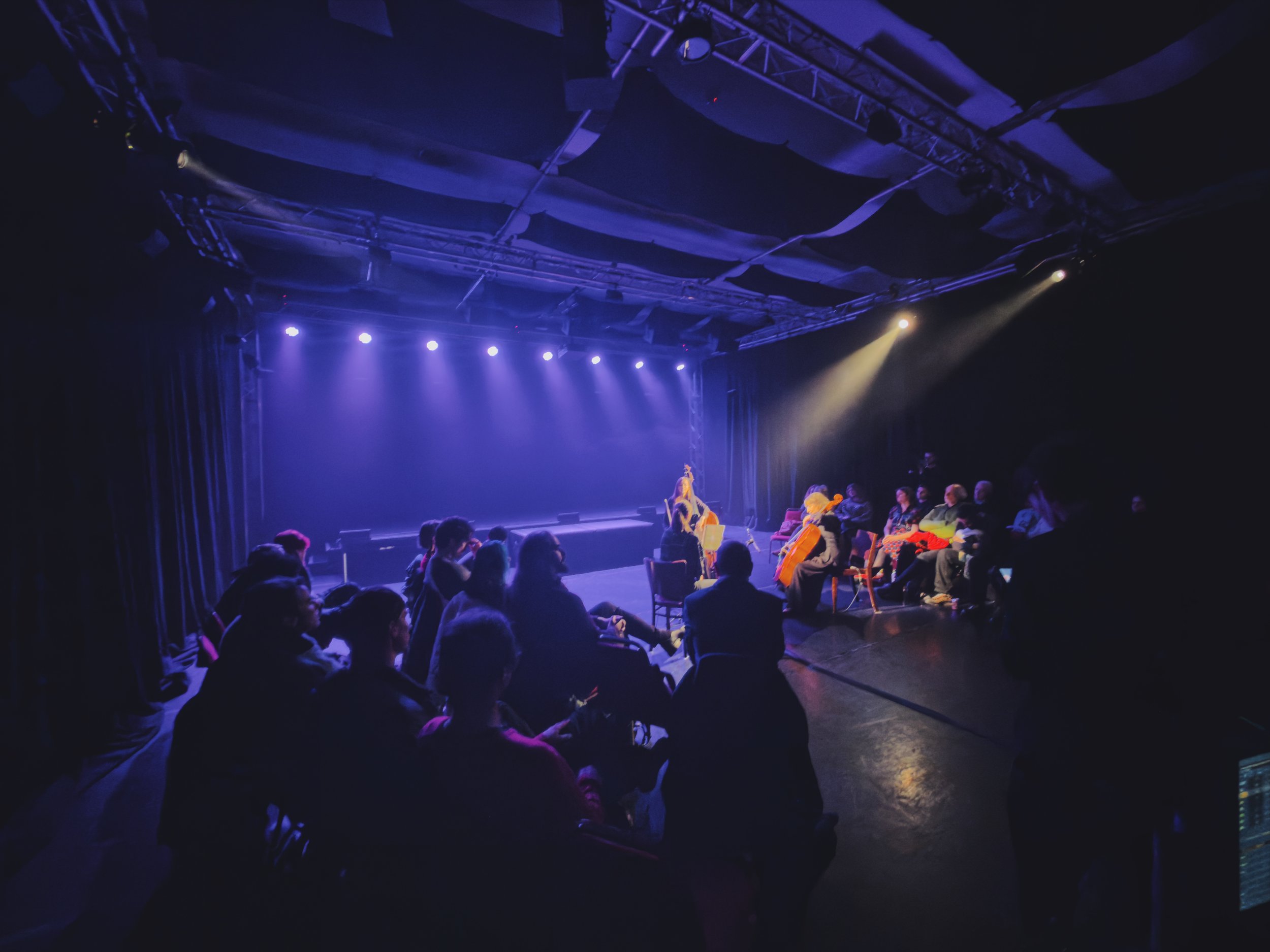
For brief moments, the acoustic music may even separate itself entirely from the recording, exploring the implications of the material it has extracted. This dynamic between congruence, difference and fantasy is illustrated well in the third section of the piece, which begins with a deeply droning double bass solo onto which a phantom word loop becomes imprinted.
Tillegreen’s process is related to the spectral composition of Gérard Grisey, in which the harmonic spectrum of an instrument is analysed and then separated into its constituent parts, before being resynthesised and re-inscribed across a large ensemble. The principal difference is that Grisey was working with the ostensibly abstract sounds of single instrumental notes, while Tillegreen is working with the concrete, semantic content of recorded voices.
And except, again – as the phantom word illusion illustrates – that semantic content is highly context-specific and practically infinite in meaning. Everything that is factually semantic is in fact apprehended as highly contingent and subjective, while everything that seems to be abstract – the instrumental rhythms, harmonies and timbres – acquires certainty and definition by comparison. This is the real loop into which Tillegreen places us: one in which meaning circles upon meaning, shuttling us back and forth between music and words, between sound and semantics, destabilising and solidifying at the same time.
Tim Rutherford-Johnson, March 2026




New CD release: Gates
February 2025
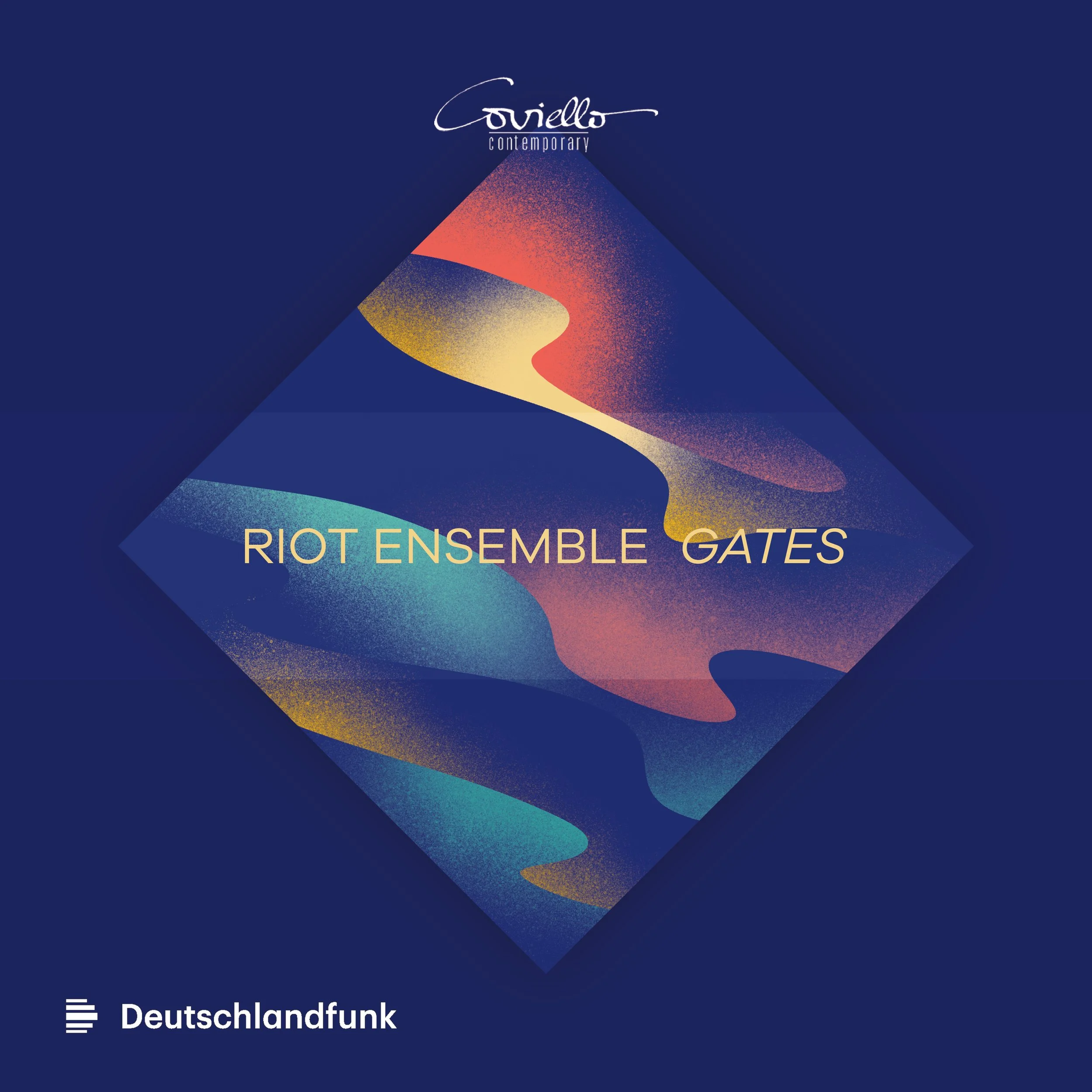
This album brings together four striking contemporary works that hover on the fragile boundary between order and collapse. Performed by Riot Ensemble, the programme traces a web of connections between ritual, excess, and the physicality of sound, with each composer engaging—explicitly or obliquely—with echoes of the Baroque.
Eden Lonsdale’s Tränen und Ozeane unfolds as a haze of sacred memory, where circling lines, microtonal lament and distant organum dissolve into one another. Eric Skytterholm Egan’s privacy of mind slips between abstraction and corporeality, splintering into multiple beginnings and endings drawn from Couperin. Kaija Saariaho’s Gates explores thresholds and transformation through interwoven timbres and whispered incantation, while Bernhard Gander’s ö injects raw, distorted energy inspired by Motörhead, pushing refined structures to breaking point.
Across the album, Riot Ensemble navigates the listener through this tightrope with precision and intensity, revealing music that thrives on tension, instability, and luminous detail.
Radio broadcasts:
BBC Radio 3, New Music Show, 7th February 2026 - Tune in here
Deutschlandfunk, Musik-Panorama, 2nd March 2026 - Tune in here
Riot Ensemble unveil Phantom Miniatures
December 2025
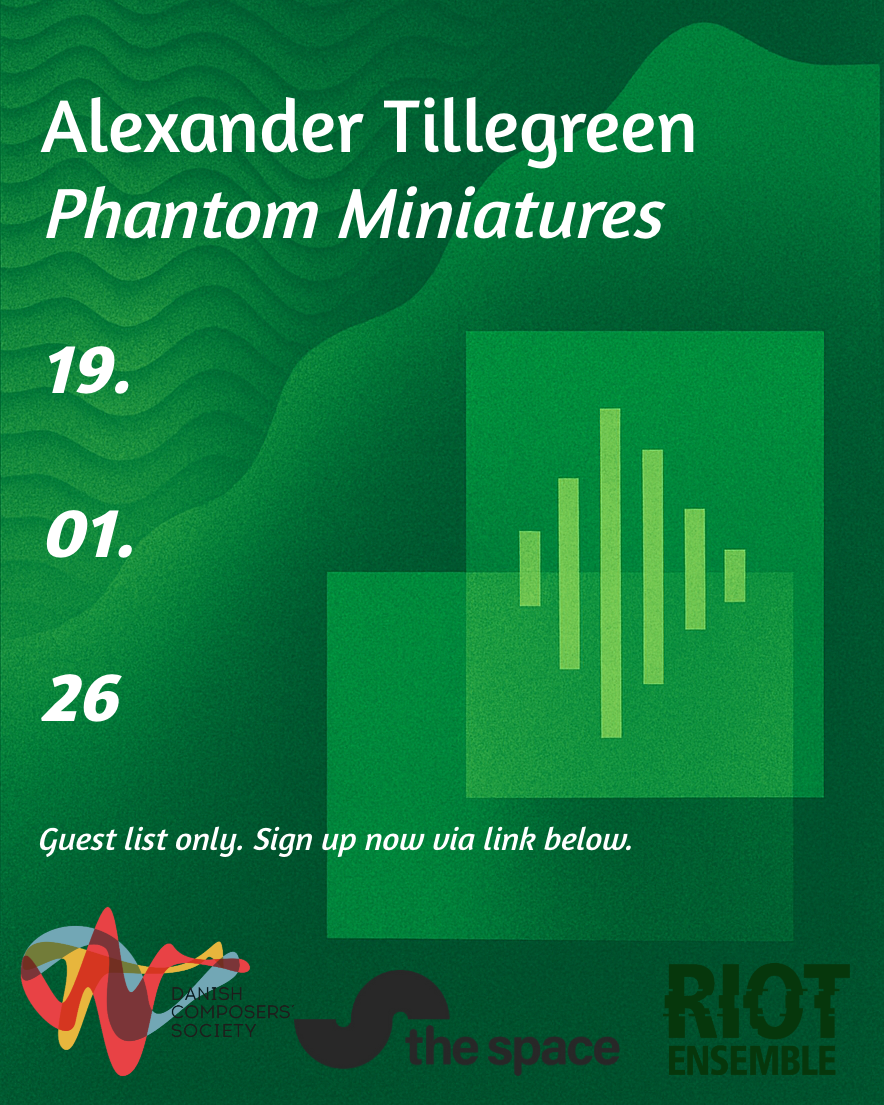
A new immersive audio commission by Alexander Tillegreen supported by The Space & Danish Composers Society, transforming psychoacoustic illusion into live performance and digital presentation
Riot Ensemble announces Phantom Miniatures, an ambitious new collaboration with composer Alexander Tillegreen, that brings one of psychoacoustics’ most uncanny phenomena into both the concert hall and the digital sphere. Supported by The Space and Danish Composers Society, the project presents the phantom word illusion — in which listeners perceive imaginary words shaped by their own as a live, spatialised performance and a suite of short-form digital videos created for online audiences worldwide, which will be released on the ensemble’s YouTube channel in March 2026.
Tillegreen’s artistic research into perceptual illusions has appeared in galleries, festivals, and installation settings across Europe; this new iteration marks the first time the work has been created specifically for live musicians and immersive electronics. The filming, mixing and digital realisation of the project take place at Southby’s Soundscape Studio in London — home to the world’s highest-resolution d&b Soundscape system.

Launching Manchester chapter at Manchester Classical
June 2025

This Saturday 28 June at 5pm, Riot Ensemble will give its first performance as a Manchester-based ensemble at Manchester Classical at Bridgewater Hall —marking an exciting new chapter in our journey.
While Riot has long been an international collective—with members and projects across the UK, Germany, Iceland and beyond—we’ve now chosen Manchester as our home base. Why Manchester? Because the classical music scene here is simply electric: welcoming, ambitious, and fiercely creative.
From the Hallé and BBC Philharmonic to Manchester Camerata, Manchester Collective, RNCM, Bridgewater Hall, Chetham’s, Stoller Hall, Factory International and more, the city is alive with artistic energy. We’re proud to now be part of it!
Riot Ensemble is—and has always been—a musician-led ensemble. Every programme we create, every collaboration we forge, every performance we share stems from the artistic voices of the musicians on stage. We’re committed to making living music: music that provokes, excites, and connects.
If you're attending Manchester Classical, come see us on Saturday afternoon for a wild and wonderful programme of Alex Paxton & Kristine Tjøgersen. Come for the music, and stay after—we love a good conversation once the final note has sounded.
We are hugely grateful to Ernst von Siemens Music Foundation and Vaughan Williams Foundation for supporting this performance.


Our newsletter is back!
March 2025
Twice yearly, Tim Rutherford-Johnson puts together a beautiful newsletter where he updates you about what we have been up to, what is coming up, and what our players are doing outside of Riot Ensemble.
Find the latest edition here and sign up if you would like to hear more from the ensemble!


Foyle Foundation grant awarded
November 2024
We are extremely grateful to the Foyle Foundation for awarding us a substantial grant towards our core costs over the next twelve months. It is thanks to the support of organisations such as this one that we are able to continue doing the work we love and continue commissioning and creating with musicians, composers and artists we admire. We have wonderful things in the making over the next year and encourage you to keep an eye on our diary for future events and on our Instagram page for current projects, updates, and behind-the-scenes footage.

Sky In A Small Cage
UK Premiere of Rolf Hind’s new opera at Barbican

September 2024
“First of all, I loved it.”
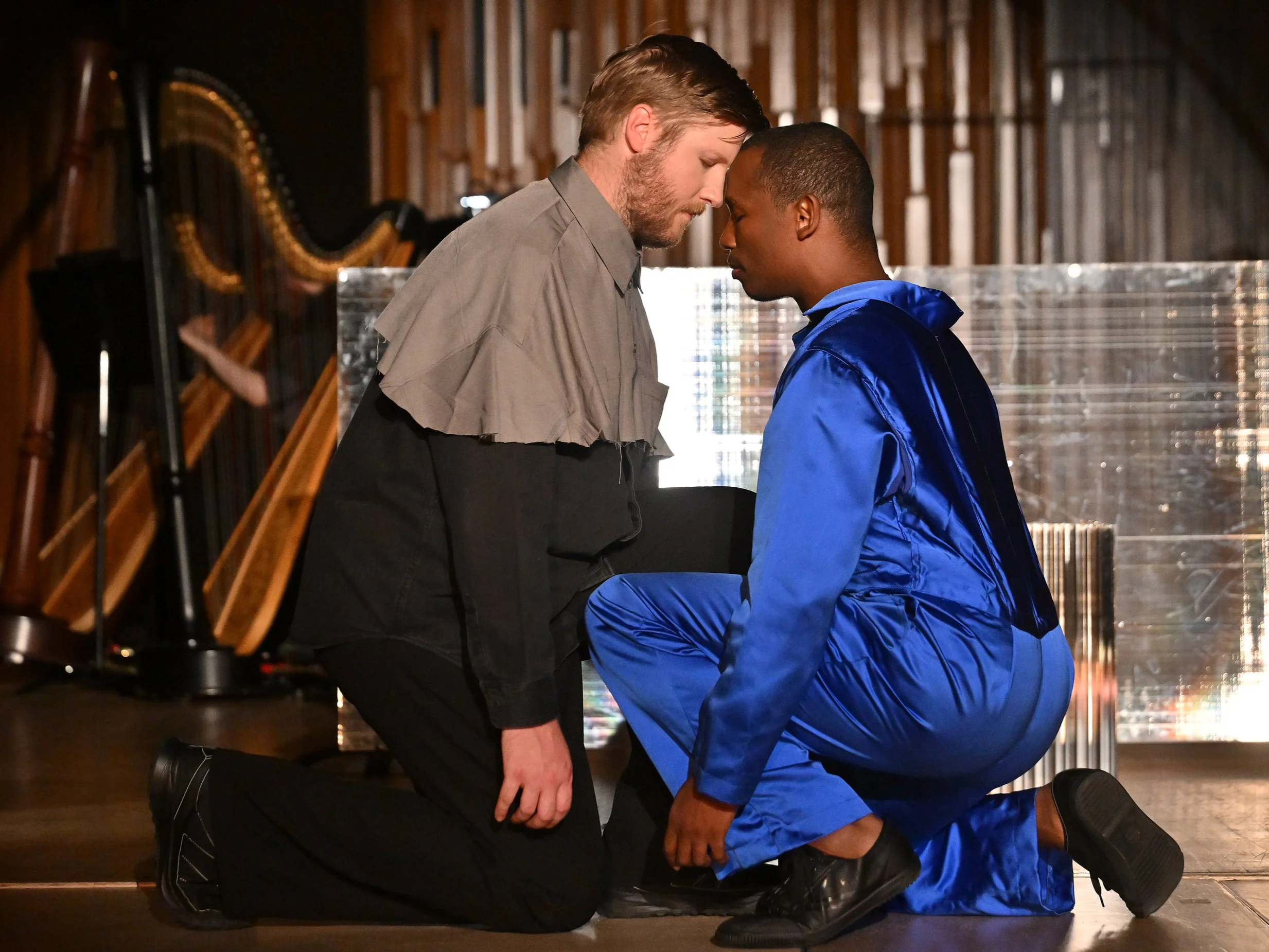
We have received glowing reviews for the UK premiere of Rolf Hind’s new opera “Sky In A Small Cage” (‘…the brilliant instrumentalists of the Riot Ensemble…’—The Stage; ‘…the committed playing of the instrumentalists of the Riot Ensemble whose sonorities echoed around the hall…’—The Telegraph) but nothing quite captures the essence of this intensely magnificent work and its production (a collaboration with Mahogany Opera, and our Barbican main stage debut) as beautifully as Tim Rutherford-Johnson’s write-up.
“Hind’s music and Dante Micheaux’s libretto tied together this (love-like) story with a path towards enlightenment, threading them around each other in both their joys and perils.”

Call for Scores ‘24
Commissions announced!
May 2024


Thank you to all composers who shared their work with us. It has been fantastic listening to all your music and we are thrilled to offer commissions to Sofia Jen Ouyang and Golnaz Shariatzadeh, for our debuts this autumn at MIXTUR Festival in Barcelona and Festival de Música in the Canary Islands, respectively.
Collaboration with Mahogany Opera for the production of Rolf Hind’s new opera ‘Sky in a Small Cage
April 2024
We make our Barbican debut with a new opera by Rolf Hind which is inspired by the life and works of Sufi poet Rumi. With a libretto by Dante Micheaux and translations of Rumi’s poetry, this Mahogany Opera production will be premiered at Copenhagen Opera Festival by Athelas Sinfonietta & Aaron Holloway-Nahum before we give the UK premiere in September, opening the Barbican’s 2024-25 season.
NEW RESIDENCY PROGRAMME LAUNCHED IN PARTNERSHIP WITH ROYAL ACADEMY OF MUSIC
February 2024

This month we launch a bold new contemporary music programme in collaboration with Royal Academy of Music, with support from the Art Mentor Foundation Lucerne.
'SIDE-BY-SIDE: Developing the Next Generation of Composers and Performers in London' is a programme exclusive to the Academy, which will allow their students to perform with Riot Ensemble in concerts across the UK, as well as providing other bespoke opportunities.
SHORTLISTED FOR THE 2024 ROYAL PHILHARMONIC SOCIETY ENSEMBLE AWARD
January 2024

Riot Ensemble has been shortlisted for this year’s Royal Philharmonic Society Ensemble Award, alongside BBC Singers and Kaleidoscope Chamber Collective. We are very grateful for this recognition of our work and would like to congratulate all nominees across the shortlists. Thank you to Steinberg’s Dorico for making the Ensemble Award possible.
RIOT ENSEMBLE ANNOUNCES NEW ARTISTIC STRUCTURE
January 2024
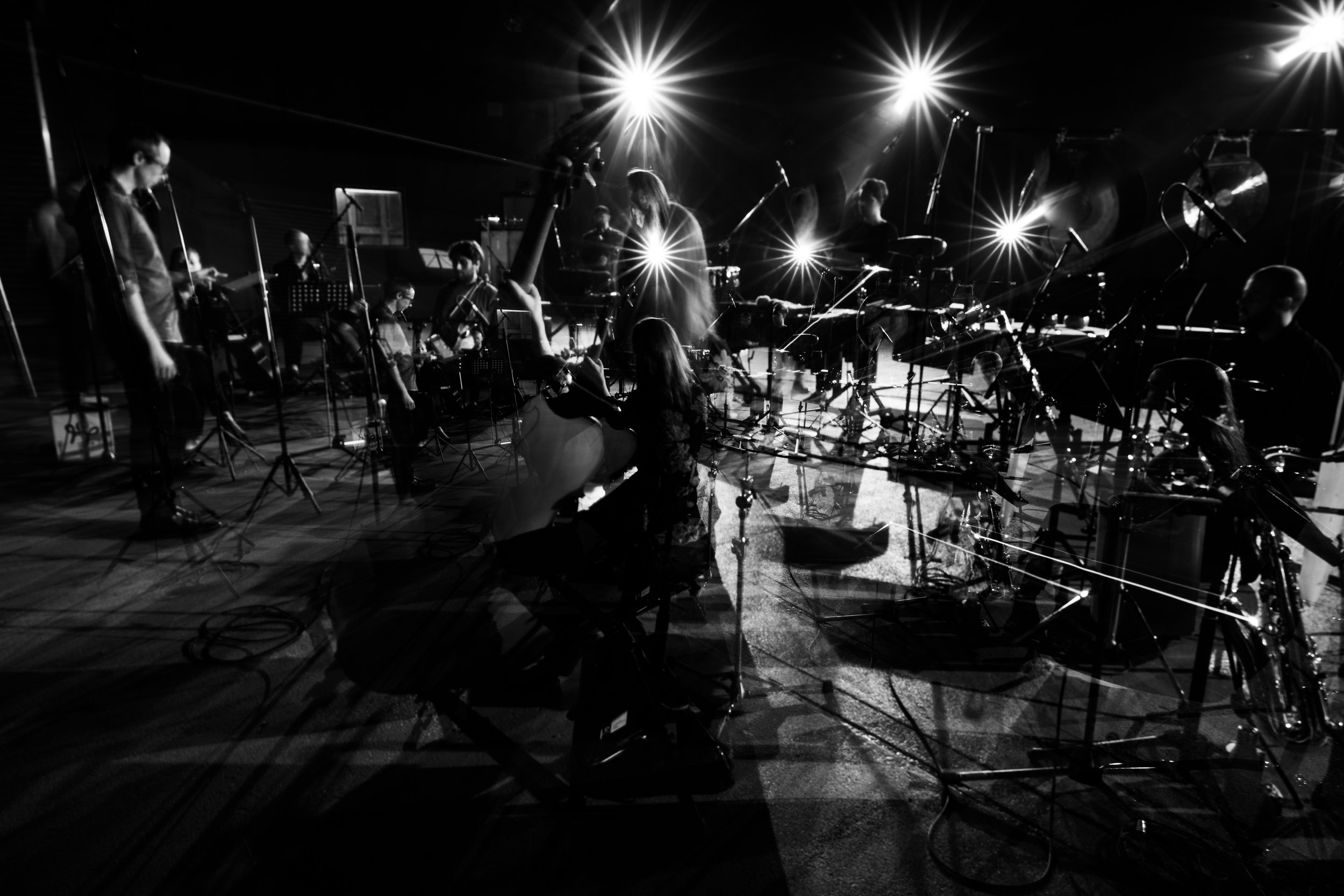
Aaron Holloway-Nahum – conductor, co-founder and current Artistic Director & CEO of Riot Ensemble will be joined by two members of the Ensemble: Marie Schreer (violin) and Adam Swayne (piano & co-founder) as Co-Artistic Directors alongside their playing roles, and independent Creative Producer Jackie Newbould in an overseeing role, forming a new Artistic Planning Team of four that will lead and continue to cherish the unique ‘artistic democracy’ that gives Riot its strength, and building on the wealth of entrepreneurial skills that exist within its body of players – the ‘Artistic Board’.

RIOT ENSEMBLE WINS ERNST VON SIEMENS FOUNDATION ENSEMBLE PRIZE
The new prize for outstanding young ensembles comes with a cash award of 75,000 euros and will contribute towards Riot Ensemble’s artistic and structural development.
Riot Ensemble convinced the jury “not only through their outstanding musicianship, intuition for contemporary trends and well thought-out programmes, but also through their considerate and sustainable approach to solving ongoing structural and organisational challenges..”.
Riot Ensemble will use the Ernst von Siemens funding to establish and underwrite new core musician-administrator positions within Riot’s Artistic Board, to establish a new international festival in London and to continue the ensemble’s work of commissioning and performing music by the most exciting emerging composers from around the world.
Welcoming the award of the Ensemble Prize, Riot’s Artistic Director, Aaron Holloway-Nahum, hailed it as both a confirmation and a help to overcoming the particular challenges of the current time:
"To be awarded the Ernst von Siemens Ensemble Prize is a moment of reflection and of looking ahead. The things this group of musicians have created – both in terms of collaborative compositional output and concert-based interpretations – is nothing but a joy to me. This Prize is a recognition of that quality, and a hope for the future. That we'll still be here after this disastrous year and beyond, a part of this community, doing what we love. I couldn't be more grateful or more excited."